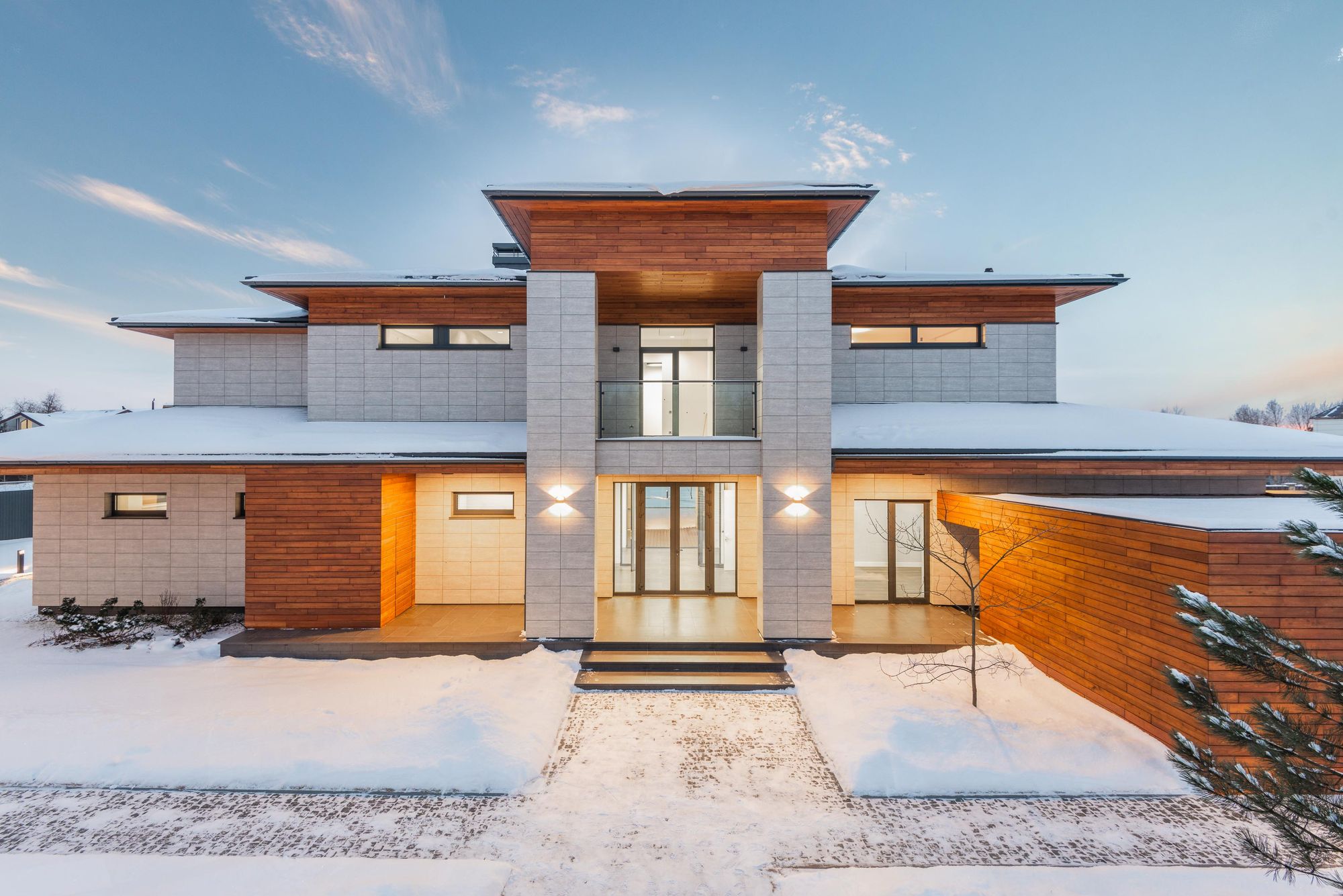
Older homes are full of charm, but their windows often tell a different story: cold drafts in winter, rattling sashes, street noise drifting in and frames that refuse to open. Replacing or restoring windows can transform comfort and efficiency while preserving the character that makes an older home special.
Restore or Replace?
Not every old window needs replacing. Original wooden windows in good structural condition can sometimes be restored with new glazing putty, weatherstripping, balanced sash cords and fresh paint, and paired with interior or exterior storm windows for better efficiency. Restoration preserves historic character and can be a good fit for landmarked buildings.
Replacement makes sense when frames are rotted, sashes are badly damaged, or when you want the convenience, efficiency and low maintenance of modern windows. Many manufacturers now offer replacement windows designed to replicate historic profiles closely.
Choosing Frames With Character
The frame material affects appearance, performance and upkeep.
- Wood offers authentic detail and warmth, ideal for traditional homes, though it needs regular painting.
- Clad wood pairs a wood interior with a durable exterior cladding for lower maintenance.
- Fibreglass is strong, stable and paintable, with slim profiles that suit many styles.
- Vinyl is affordable and efficient, best suited to homes where historic appearance is less critical.
Pay attention to sightlines, sash proportions and muntin patterns. Windows that echo the original design keep the facade looking right.
Glass, Seals and Efficiency
Modern insulated glass dramatically improves comfort. Double or triple pane units with low emissivity coatings and gas fills reduce heat loss in winter and heat gain in summer. Warm edge spacers limit condensation. Equally important are tight seals and weatherstripping that stop drafts at the source.
Sound Control for Busy Streets
In urban neighbourhoods, noise can be as big a concern as temperature. Laminated glass, varied glass thicknesses within an insulated unit and well sealed frames significantly reduce street noise, making bedrooms and living spaces far more peaceful.
Installation in Older Openings
Older homes rarely have perfectly square openings. Skilled installers measure carefully, repair damaged sills and framing, insulate gaps around the new frame and seal inside and out. Interior trim and plaster may need repair, and exterior brick or stone openings require careful flashing and sealant to keep water out.
Safety and Function
Make sure bedroom windows meet egress requirements for emergency escape, and consider window guards where required for child safety. Choose hardware that operates smoothly and locks securely.
Window Treatments and Finishing Touches
Once new windows are in place, interior finishes complete the transformation. Repair or replace interior trim, repaint sills and casings and choose window treatments that add an extra layer of insulation and privacy. Cellular shades, lined curtains and interior shutters all help keep rooms warm in winter and shaded in summer.
Phasing a Window Project
Replacing every window at once offers consistency and a single period of disruption, but many homeowners phase the work by floor or by facade. Start with the windows that cause the most discomfort, such as bedrooms facing busy streets or rooms with the worst drafts. Keep a record of the products used so future replacements match perfectly.
Whatever the approach, choose a team that understands older buildings. Careful measurement, sensitive installation and attention to historic detail make the difference between windows that look added on and windows that look like they always belonged.
Restore Comfort to Your Home
Rebuild Home Path helps owners of older homes choose between restoration and replacement, select windows that respect their architecture and install them with precision. Contact us to bring warmth, quiet and light back to your rooms.